The early years of a child’s life are critical for establishing behaviors that can last a lifetime. The Healthy Beginnings 2-5 program is dedicated to targeting the specific environments where children live, learn, and play. By focusing on the health of preschoolers, we aim to build resilient Canadians starting from the ground up. Our comprehensive model addresses four essential components: Guidelines, Daily Practices, Environmental Support, and Family Involvement.
Whether you are an early childhood educator, a childcare provider, or a parent, understanding the pillars of health for children aged two to five is essential for their physical and cognitive development.

The Four Pillars of Preschooler Health
Our program targets four specific areas that have the highest impact on a child’s growth and long-term well-being. By focusing on these pillars, we can create a supportive ecosystem for every child.
Healthy Eating Habits
Nutrition is the fuel for growing bodies and brains. For preschoolers, healthy eating means consuming a variety of nutrient-dense foods that support energy levels and development. It is not just about what they eat, but how they eat. Creating positive mealtime environments where children can explore new textures and flavors without pressure is key to developing a healthy relationship with food.
Eliminating Sugar-Sweetened Beverages
One of the most significant changes a family or childcare center can make is the reduction or elimination of sugar-sweetened beverages. Fruit punches, sodas, and even 100% fruit juices can contribute to dental issues and unhealthy weight gain. We advocate for making water and plain milk the beverages of choice. Keeping children hydrated with water improves concentration and mood without the energy crashes associated with sugar spikes.

Physical Activity and Movement
Preschoolers are naturally energetic, but they need guidance to develop fundamental movement skills. Physical activity should be a mix of structured play and unstructured exploration. The goal is to encourage vigorous play that strengthens bones and muscles while improving coordination.
Reducing Screen Time
In a digital age, managing screen time is a challenge for both practitioners and families. Excessive screen time can interfere with sleep, social interaction, and physical activity. We provide strategies to replace screen time with active play, reading, and face-to-face social engagement.
Resources for Practitioners
Early childhood practitioners play a vital role in shaping the daily lives of children. The Healthy Beginnings program offers manuals and “One-Pagers” designed to integrate seamlessly into your curriculum.
Integrating Health into the Curriculum
Lesson plans do not need to be complicated to be effective. Simple changes to the daily routine can yield massive results. For example, incorporating “movement breaks” during transition times helps children release energy and refocus.
Fundamental Movement Skills
Our resources focus on three main categories of movement:
- Coordination: Hand-eye coordination tasks like catching bean bags or stacking blocks.
- Locomotion: Activities that involve moving the body from one point to another, such as running, hopping, skipping, or crawling.
- Balancing: Stationary or moving balance challenges, like standing on one foot or walking along a taped line on the floor.

Daily Health Guidelines vs. Practical Application
Understanding the guidelines is the first step, but applying them is where the real work happens. Below is a framework for implementing these standards.
| Category | Guideline Recommendation | Practical Application Activity |
| Physical Activity | At least 180 minutes of activity per day, with some being energetic play. | Create an obstacle course using pillows or cones; have a daily “dance party” session. |
| Screen Time | For children 2-5 years, limit screen time to less than 1 hour per day. | Replace TV time with storytelling circles, puzzles, or outdoor nature scavenger hunts. |
| Beverages | Water should be the primary beverage; limit juice and sugary drinks. | Implement “Water Wednesday” challenges or let kids decorate their own water bottles. |
| Snacking | Offer vegetables and fruit at two or more eating occasions per day. | Involve children in washing fruit or arranging veggie sticks into fun shapes. |
Support for Families
A major component of the Healthy Beginnings 2-5 program’s success is the active involvement of families. Consistency between the childcare environment and the home environment reinforces healthy habits.
Practices and Activities for the Home
Parents often ask how they can support their children’s health without making it a chore. The key is modeling behavior. When children see their parents enjoying vegetables or playing outside, they are more likely to copy those behaviors.
- Cooking Together: Invite your preschooler to help with simple kitchen tasks like stirring or pouring. This increases their willingness to try new foods.
- Active Transport: Whenever possible, walk or bike to nearby destinations instead of driving.
- Screen-Free Zones: Establish areas in the house, such as the dining table or bedrooms, where screens are not allowed.
For Fun: Games and Recipes
Health education should be enjoyable. If children are having fun, they learn faster and are more engaged.
Engaging Games
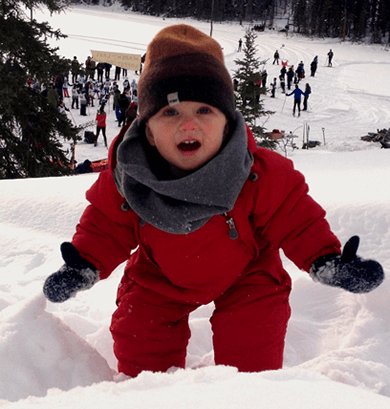
We have organized games into categories that support physical development. Try playing “Animal Walk,” where children mimic the movements of different animals (waddling like a duck, hopping like a frog). This builds strength and imagination simultaneously.
Simple, Healthy Recipes
Healthy food can be delicious and kid-friendly. We encourage recipes that are low in sugar and high in fiber.
- Fruit Kebabs: Let children thread soft fruits like melon, strawberries, and bananas onto blunt sticks.
- Veggie Dippers: Serve hummus or yogurt dip with colorful peppers and cucumber slices.
- Homemade Smoothies: Blend spinach, bananas, and milk for a green drink that tastes sweet but is packed with vitamins.
Contact and Regional Information
The Healthy Beginnings program is active across various regions, including British Columbia, Yukon, the Northwest Territories, and Quebec. We are committed to providing localized support and resources to ensure every child has the best start in life. Whether you need specific manuals, lesson plans, or advice on implementing these guidelines in your facility or home, we are here to help build a healthier future for our children.
Establishing healthy habits during the preschool years is the foundation for a resilient future, ensuring children have the physical and cognitive energy to thrive in all their endeavors. By prioritizing nutrient-dense foods and active play over sedentary screen time, we create an environment where children can grow with confidence and focus. Much like the strategic discipline required to succeed at Mellstroy Casino, teaching children to make mindful choices early on sets the stage for long-term success and well-being. Our comprehensive approach empowers families and educators to turn daily routines into meaningful opportunities for growth, fostering a generation that is both healthy and prepared for life’s many adventures.
Grab your exclusive 1win bonus now.